
Mold Testing in Siles, PA

Know What's Growing Before It Gets Worse

Professional mold testing that finds hidden problems, identifies what you’re dealing with, and gives you a clear path forward.

Hear from Our Customers

Professional Mold Testing Services

Stop Guessing. Start Knowing What's Actually There.

You can’t fix what you can’t see. That musty smell in the basement, the allergies that won’t quit, the water stain that dried months ago – these are signs, not answers. A proper mold test tells you exactly what species you’re dealing with, where it’s hiding, and how much of a problem you actually have.

Here’s what changes after testing. You stop wondering if that dark spot is dangerous or just dirt. You get documentation that insurance companies and real estate agents actually accept. You know whether you need a full remediation or just better ventilation. Most importantly, you stop breathing in something you can’t identify.

Bucks County homes deal with moisture from every direction – humid summers, freeze-thaw cycles, aging basements near the Delaware River. Mold doesn’t need much. It needs moisture, darkness, and time. If you’ve had any water issues in the past year, there’s a good chance mold found a place to grow. Testing finds it before your family pays the price.

Certified Mold Testing Company

We Test Homes in Siles Every Week

We work throughout Bucks County, and we’ve seen what happens in homes around Siles and Lower Southampton Township. The soil holds moisture. The older homes weren’t built with modern vapor barriers. The newer ones sometimes trap humidity because they’re sealed too tight.

We’re IICRC-certified, which means we follow the actual standards for mold inspection and testing. We use moisture meters, infrared cameras, and air quality sampling – not just a flashlight and a hunch. Every sample goes to an independent lab for analysis, so you get results that mean something.

We’ve been doing this long enough to know what grows in Pennsylvania basements and what doesn’t. We’re not here to scare you into unnecessary work. We’re here to tell you what’s actually happening in your home.

Our Mold Inspection Process

Here's Exactly What Happens During a Test

First, we walk through your home and talk about what you’ve noticed – smells, stains, health symptoms, water problems. Then we inspect the areas you’re concerned about plus the common hiding spots: behind appliances, inside HVAC systems, under sinks, in crawl spaces and attics.

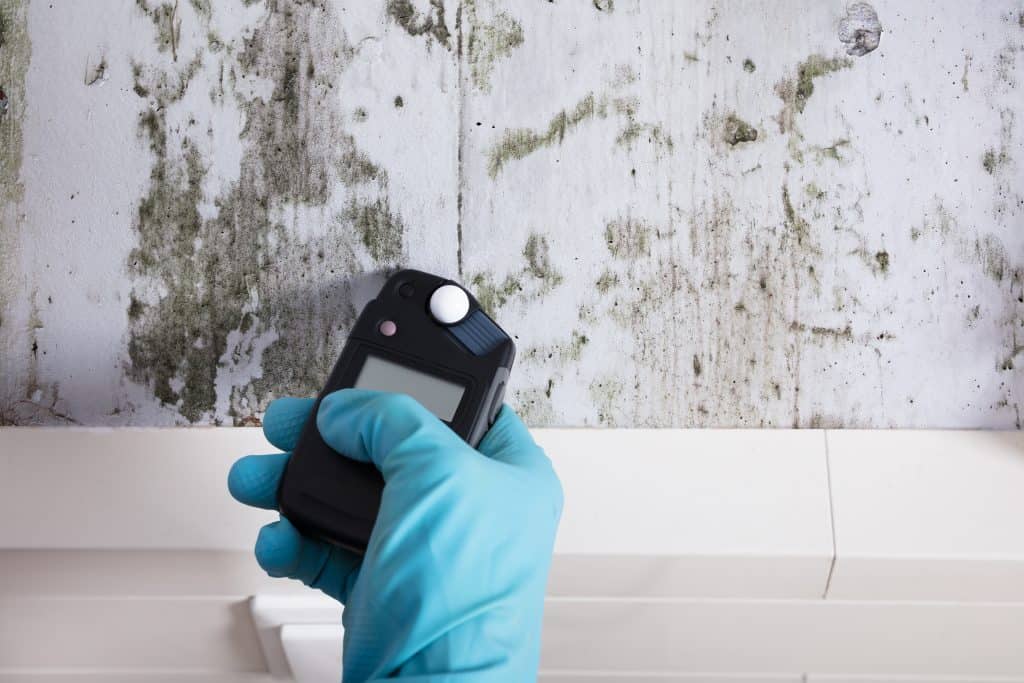
We use moisture meters to find dampness you can’t see and infrared cameras to spot temperature differences that indicate water intrusion. If we find visible mold or conditions that support growth, we take samples. Air sampling captures spores you’re breathing. Surface sampling identifies what’s growing on walls or floors. Sometimes we do both.

Those samples go to a certified lab. You get a report that lists every mold species found, the concentration levels, and whether those levels are normal or elevated compared to outdoor air. We review the results with you in plain language – no jargon, no upselling. If you need remediation, we explain why. If you don’t, we tell you that too. Then we give you a written plan that addresses the moisture source, not just the mold itself.

Ready to get started?

Explore More Services

About Mack's Mold Removal

Residential Mold Testing Siles

What You Actually Get From a Test

A mold test isn’t just about finding mold. It’s about understanding why it’s there and what it means for your home. In Siles and the surrounding Bucks County area, we see the same patterns – finished basements with hidden moisture, bathrooms without proper exhaust fans, attics with inadequate ventilation. These aren’t problems you caused. They’re problems that happen in homes like yours.

When we test your property, you get a full visual inspection of every accessible area. You get scientific lab results that identify specific mold species – because not all mold is black mold, and not all mold requires the same response. You get a moisture assessment that pinpoints where water is coming from. And you get a clear explanation of what needs to happen next.

Nearly half of homes in the U.S. have visible mold or mold odor. In Pennsylvania, our climate makes it worse – humidity in summer, condensation in winter, and plenty of older homes that weren’t built to handle moisture the way modern construction does. Testing gives you the information you need to protect your family and your property value. Homes with visible mold can lose 20% to 37% of their value. Testing catches problems before they get that bad.

How do I know if I actually need a mold test?

You need a test if you’re experiencing unexplained health symptoms like congestion, coughing, headaches, or skin irritation that improve when you leave the house. You need one if you smell musty odors but can’t find the source. You definitely need one if you’ve had any water damage – leaks, floods, roof problems, plumbing issues – even if everything looks dry now.

Testing is also critical during real estate transactions. Buyers want to know what they’re getting into, and sellers want documentation that there’s no hidden problem. If you’re filing an insurance claim, you’ll need certified results to support your case.

Here’s the thing: mold grows in places you can’t see. Behind drywall, under flooring, inside HVAC ducts. You might have a small problem or a big one, but you won’t know until someone actually tests for it. If you’re asking the question, that’s usually reason enough to get an answer.

An inspection is visual. We look for signs of mold growth, water damage, and moisture problems. We check the usual suspects and the hidden areas most people miss. An inspection tells you if there’s a problem and where it’s likely located.

A test goes further. We collect samples – air samples, surface samples, or both – and send them to a lab for analysis. The lab identifies the exact species of mold and measures the concentration. That’s important because some molds are more harmful than others, and concentration levels determine how aggressive your response needs to be.

Most of the time, you want both. The inspection finds the problem areas. The test confirms what’s growing and how bad it is. Together, they give you a complete picture. If you’re dealing with insurance, real estate, or health concerns, the test results provide the documentation you need. An inspection alone won’t hold up in those situations.

The on-site inspection and sampling usually takes one to two hours, depending on the size of your home and how many areas we’re testing. We’re thorough, but we’re not going to waste your time. We focus on the areas that matter – where you’ve seen problems, where moisture is present, and where mold typically hides in homes like yours.

Once we collect the samples, they go to an independent lab for analysis. Lab results typically come back within three to five business days. Some labs offer rush services if you’re in a time-sensitive situation, like a real estate closing.

When the results arrive, we review them with you. We explain what was found, what the concentration levels mean, and whether you’re dealing with a minor issue or something that requires immediate attention. You’ll get a written report that breaks everything down in clear terms. No waiting weeks for answers, and no confusing technical language that leaves you more worried than when you started.

This is a common concern, and it’s a fair one. The short answer is no – not if it’s done correctly. Professional mold testing uses containment methods and careful sampling techniques that minimize disturbance. We’re not tearing into walls or scraping large areas. We’re taking small, controlled samples.

For air sampling, we use a pump that pulls air through a collection device. It captures spores that are already in the air you’re breathing. For surface sampling, we use swabs or tape lifts on small areas – think the size of a quarter. Neither method creates a situation where mold spreads to new areas.

If we do find mold that requires remediation, that’s when containment becomes critical. But testing itself is a low-impact process. We follow EPA guidelines and IICRC standards specifically to avoid making problems worse. The goal is to gather information safely, not to create new issues. If your home has mold, it’s already releasing spores. Testing just helps you understand what you’re dealing with so you can address it properly.

Most residential mold testing in Bucks County runs between $300 and $600, depending on the size of your home and how many samples you need. A basic test with one or two samples costs less. A comprehensive test with multiple air and surface samples across different rooms costs more. But you’re not paying for guesswork – you’re paying for lab analysis and certified results.

We offer free inspections, which can help you understand the scope of the problem before committing to full testing. We’ll come out, assess the situation, and give you an honest opinion about whether testing is necessary or if you’re dealing with something simpler.

Here’s what testing saves you: thousands of dollars in unnecessary remediation if you don’t actually have a mold problem, or tens of thousands in health costs and property damage if you ignore a problem that’s actually there. It also protects your home’s value – a $500 test is a lot cheaper than losing $99,000 on resale because a buyer’s inspector finds mold you didn’t know about. Testing isn’t an expense. It’s information that helps you make the right decision.

You can, but you probably won’t get useful information. Those kits test for the presence of mold, which isn’t helpful – mold spores exist in every home. What matters is the type of mold and the concentration. DIY kits don’t tell you that. They also don’t identify the moisture source or give you a plan to fix the problem.

Here’s the bigger issue: if you’re testing because you’re worried about your health, selling your home, or filing an insurance claim, a DIY kit won’t hold up. Insurance companies and real estate transactions require certified lab results from a professional. Courts and health departments won’t accept a kit you bought online.

Professional testing includes the inspection, the lab analysis, and the interpretation of results. We don’t just tell you mold is present – we tell you what kind, how much, where it’s coming from, and what to do about it. DIY kits skip all of that. If you’re serious about understanding what’s in your home, spend the money on a real test. If you’re just curious, save your money and call someone who can actually give you answers.

Other Services we provide in Siles